
Sources Behind Previous Pittsburg Residents
A house history needs sources that cover different eras. The current assessment roll and GIS locate the parcel. RecorderWorks and older deed books show transfers. The 1949 Polk volume and newspapers place households at a date. The census reaches through 1950 under the 72-year rule. Permits date changes to a structure, while probate, obituaries, cemetery evidence, and History Center files can close a family trail.
| Source | Years it covers | Where held | What it shows |
|---|---|---|---|
| City parcel layer and assessment roll | Current data | Pittsburg GIS and Contra Costa Assessor | APN, situs, legal description, owner and mailing record |
| Recorder index | Some records reach the 1800s; exact cutoff open | Contra Costa Clerk-Recorder | Grantors, grantees, dates, document trail |
| Tax-assessor books | 1850-1910 | County History Center | Historical owner and parcel clues |
| Polk Pittsburg and Antioch directory | 1949 verified | California State Library | Named household snapshot and address |
| Newspapers | 1913-forward segments with title gaps | Contra Costa Library and Antioch | Obituaries, notices, moves, clubs, addresses |
| Federal census | Through 1950 | NARA and genealogy institutions | Household at the census date |
| Permits | County jurisdiction from 1/1/1980; city separately | County ePermits and Pittsburg | Work, date, applicant, inspection or change |
This is the era map for previous residents research. No one source fills every year, and an open index does not make every underlying file public.
Pittsburg Previous Residents Start With APN
Start at the present address. Pittsburg's GIS parcel layer can return the APN, situs address and city, legal description, deed reference, recording date, ZIP, tract, use, taxability, and building fields. It does not return an owner. ParcelQuest Lite and CCMAP also search by address or APN and add map, aerial, contour, building, lot, and radius views.
Write down the APN and legal description before moving backward. A street name can be indexed under Pittsburg, Black Diamond, or New York Landing, but the land description is the better continuity key. The current map is a starting point, not proof of who occupies the parcel today.
The Pittsburg GIS entry and the Contra Costa property-information page provide the first access channels.
Pittsburg Previous Residents Need the Owner
Contra Costa deliberately suppresses owner names from its online parcel tools. Ownership remains public in the assessment roll, so the next step is the Assessor counter or a focused request. Ask for the current owner and mailing address tied to the APN, then note that mailing address and situs address are different fields. A homeowner exemption is supporting evidence, not proof of residence.
This offline step is the practical insider tip for the backward search. Once the current owner is known, search that name as a grantee in RecorderWorks. The purchase document names the grantor, which becomes the next grantee search. If the web index stops, ask the Clerk-Recorder about older grantor-grantee books and image-copy procedures. The current address chain is also explained in the Pittsburg street directory.
Keep the handoff. Record the APN, owner, mailing address, document number, and deed date before moving to the next source.
Pittsburg Deed Chain Backward
A chain of title is the sequence of recorded transfers that links a parcel through prior owners. A grantor gives an interest. A grantee receives it. A legal description identifies the land even when a street label changes. Those terms keep a previous residents search focused on the parcel rather than on an uncertain name.
- Resolve the current situs to an APN and copy the legal description.
- Obtain the current owner and mailing record from the Assessor's public roll.
- Search the owner as grantee in the RecorderWorks index and note the purchase instrument.
- Read the grantor and recording date, then search that grantor as an earlier grantee.
- Repeat with the legal description when a name is common or the address has changed.
- At the online cutoff, request older books, parcel books, or History Center tax records.
- Grantor
- The party transferring an interest in the recorded instrument.
- Grantee
- The party receiving an interest in the recorded instrument.
- Chain of title
- The linked sequence of transfers for one parcel.
- Legal description
- The deed or map description that identifies the land beyond a mailing label.
A deed chain traces ownership. It does not name every household member or prove that an owner lived at the parcel.
Pittsburg Legal Records Hold the Trail
Address continuity is a known local trap. Search Pittsburg, Black Diamond, and New York Landing in newspaper, directory, cemetery, and archive catalogs. Use the legal description, APN, tract, and parcel map to test whether two differently named entries refer to the same land. No verified citywide street-renumbering year was found, so a guessed address conversion would weaken the result.
Public Works keeps recorded, survey, and corner maps and archived parcel books through Laserfiche or request channels. Sanborn maps may show building and street change, but exact Pittsburg editions were not located. Mark that gap and ask a library or archive for the edition rather than presenting an unverified map year as fact.
The succession of place names is not noise. It is part of the Pittsburg previous residents search vocabulary.
Pittsburg Permit Records Date Changes
Permits can bridge the period between a deed transfer and a household record. County ePermits covers building and planning status or history for county jurisdiction from January 1, 1980. Pittsburg city permits remain the proper route inside the city. County research timing is estimated at about 10 business days, and licensed-professional plans may add 30 days.
Use a permit to date construction, an addition, inspection, or named applicant. Do not turn a permit into proof that the applicant lived at the address. A written Pittsburg City Clerk request is the fallback when a city dashboard does not expose the older chronology or exact search field.
The county property and zoning lookup describes the county path, while the city's public-record request route handles municipal records.
Past Pittsburg Households in Directories and Census
Owners are only one layer of previous residents. The 1949 Polk directory is a verified household snapshot, and the 1950 federal census supplies a matching census-date household. Newspapers can fill the years around them with obituaries, marriage notices, club reports, relocations, and address advertisements. The Pittsburg city directory collections page covers the historical shelf itself.
Use a source-pairing flow: directory entry → newspaper notice → 1950 census → deed or tax book → obituary or probate. Each arrow must add a date, address, relationship, or record number. If an entry is absent, note the gap rather than treating the next household as a confirmed successor.
- Copy the exact name and address from the 1949 directory citation or a newspaper page.
- Search the same spelling and the old place names in library holdings.
- Compare with the 1950 census at the same address or nearby legal description.
- Use the deed and tax chain to explain owner changes, then use obituary or probate for family endpoints.
Household boundary. A directory or census can place people at an address for a date. It does not make every later record a current-resident claim.
Newspapers Between Pittsburg Directory Years
The Contra Costa Library holdings are the bridge when no directory issue is verified. The Pittsburg Post history runs from 1900 to 1930, with online or film segments from 1913. The Pittsburg Independent covers 1928 to 1946, with film through 1944. The Pittsburg Post-Dispatch begins in 1930, and the Daily Ledger Post Dispatch covers 1990 to 1994. Much Pittsburg microfilm is held through Antioch, so a title-based request can save a wasted trip.
Search obituaries, wedding announcements, legal notices, clubs, moves, and address advertisements. OCR can miss Italian surnames and old type. Compare the page image with a directory, deed, or History Center index before accepting a name. The library holdings inventory supplies the title and format trail.
Pittsburg Voter Files Are Not History
California voter information can be tempting in a previous residents search, but My Voter Status is an authenticated self-lookup. Full-file release is limited to approved purposes under Elections Code section 2194 and related Government Code restrictions. Released fields can include residence or mailing information, registration status, precinct, party, and participation, but confidential voters and sensitive identifiers are excluded.
The California voter-file request page explains the approved-purpose route.
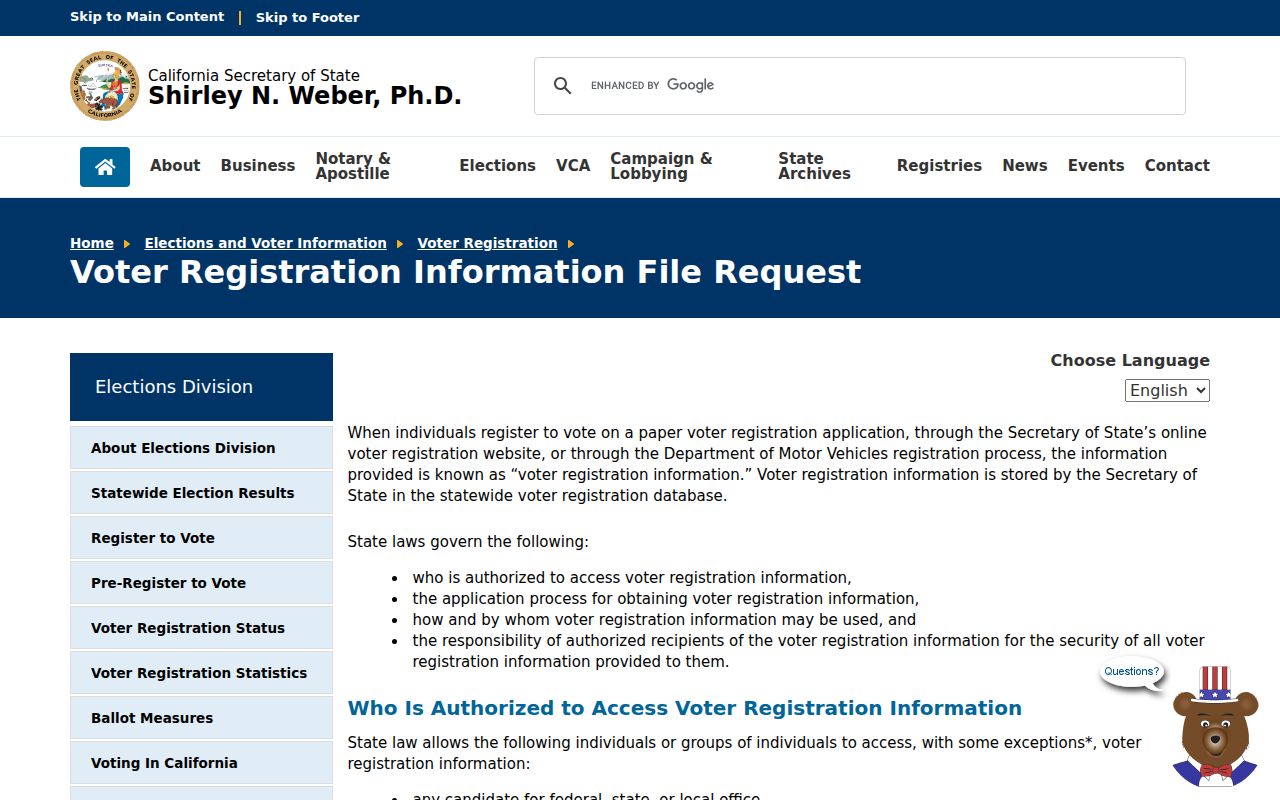
Do not treat a missing voter result as evidence that a past household was absent. The source is restricted by purpose and time, not designed as a historical address directory.
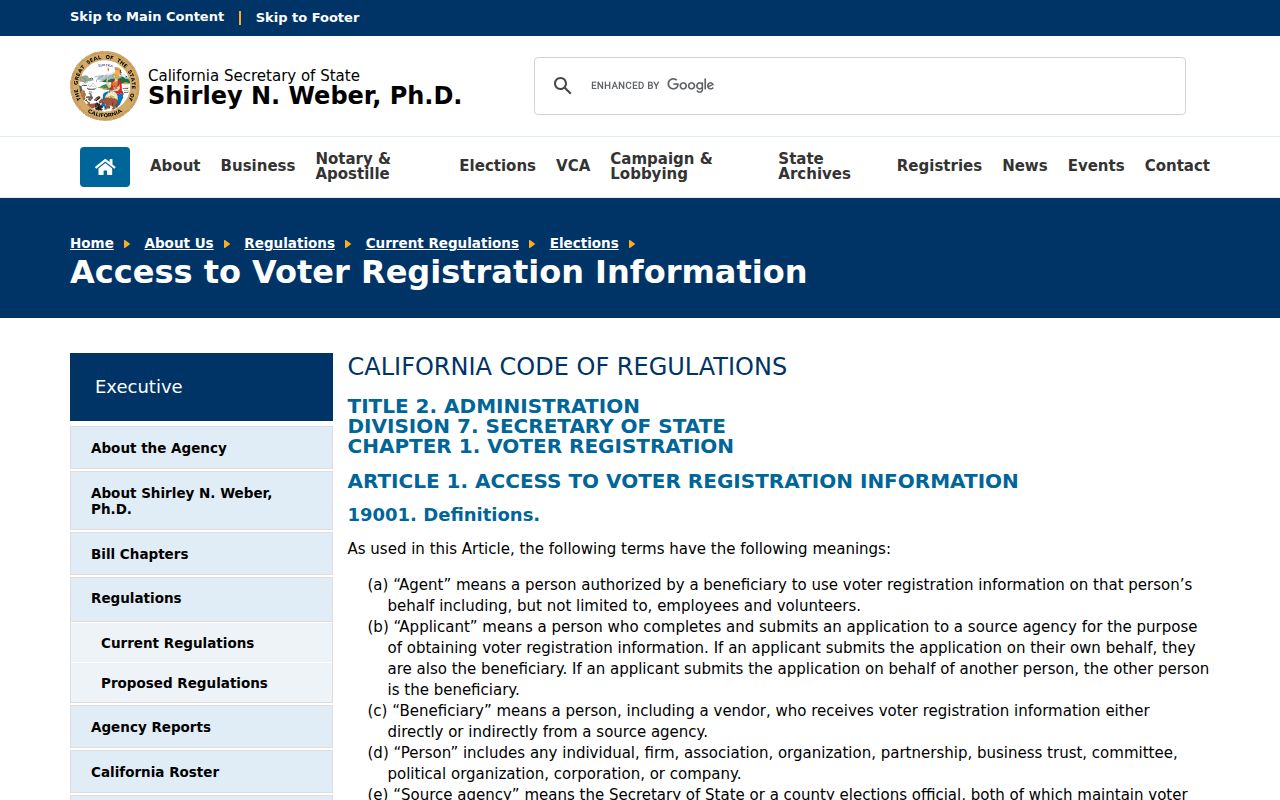
The California access rules make clear why an earlier household search may not reach a voter record. Driver or identification numbers, Social Security numbers, signatures, confidential voters, and preregistered minors are excluded. Commercial, private, marketing, solicitation, harassment, and Internet-republication uses are prohibited. A lawful researcher should use newspapers, directories, deeds, probate, cemetery evidence, and a focused custodian request instead of trying to work around the restriction.
The voter-information access rules describe the released categories and limits.
Safe at Home can also replace a mailing address for eligible participants. It does not erase older deed or court records, and a legal description may remain public.
CPRA Requests for Older Pittsburg Records
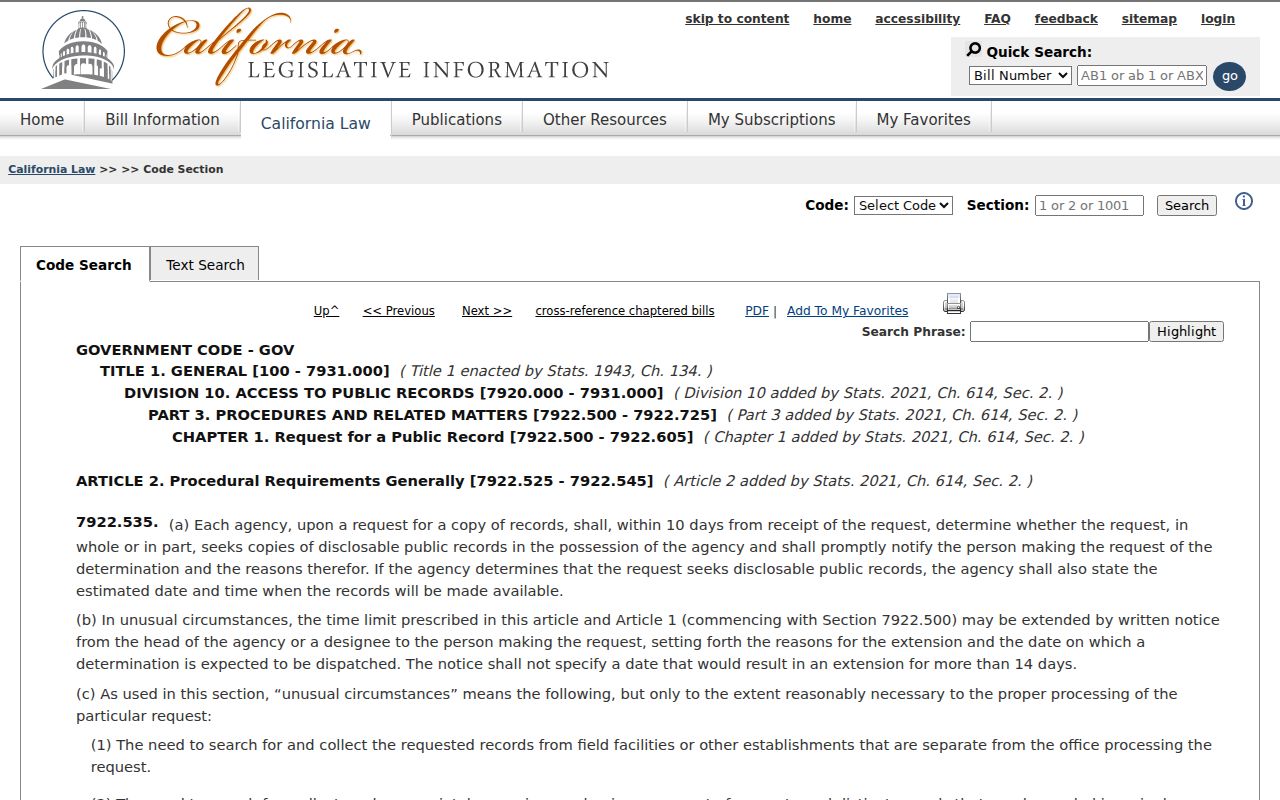
When the recorder index, city dashboard, or county portal stops, a narrow California Public Records Act request can identify the next archive or book. Gov. Code section 7922.535 gives an agency 10 calendar days to determine disclosability, with a possible 14-day unusual-circumstances extension. That is a determination window, not a promise that copies will be ready. Describe the APN, legal description, street, date range, record type, and preferred format.
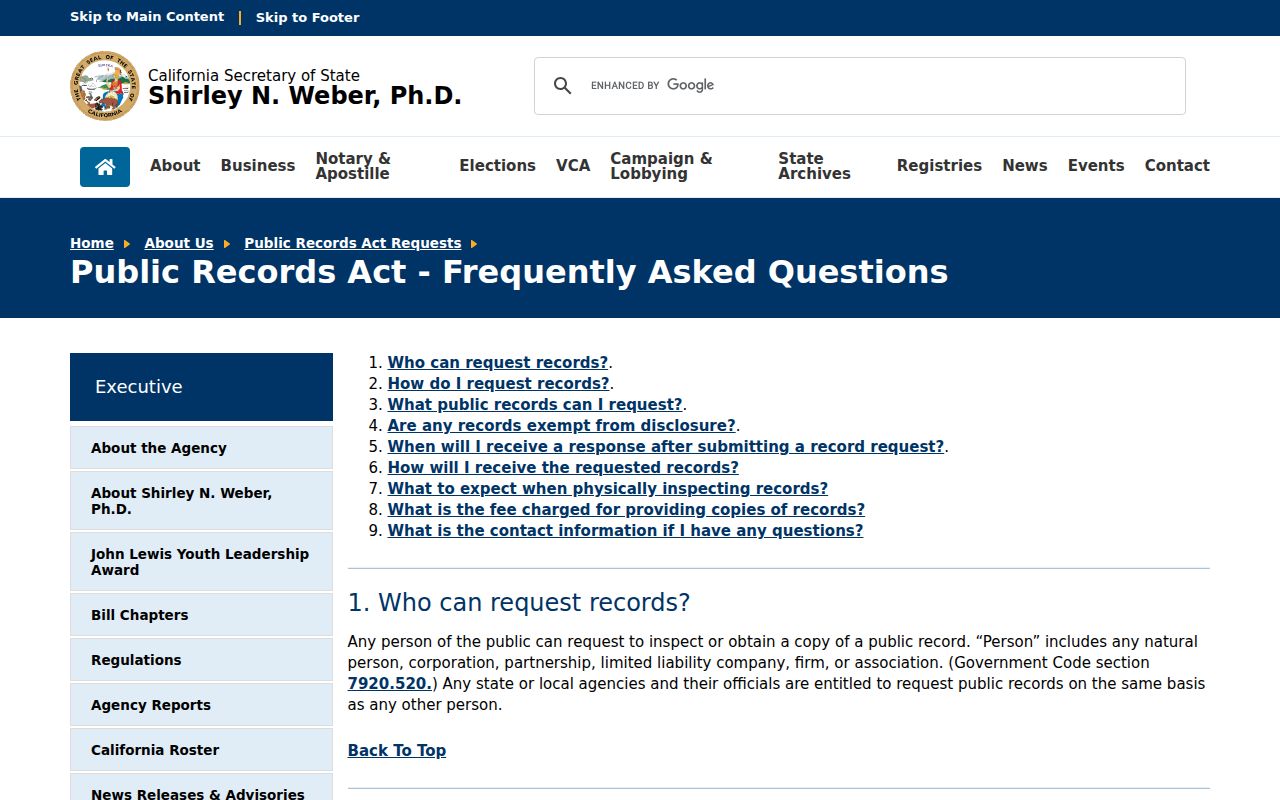
The California public-records request guidance explains the request framework.
For the statutory timing language, read Government Code section 7922.535.
Ask for inspection when the goal is to learn which volume exists. Then request only the pages that support the house-history question.
Specialized Records Close a Pittsburg House History
When the local trail ends, a specialized index can add context without pretending to be a resident list. The federal BOP locator covers federal custody from 1982 forward, with earlier data incomplete. CDCR CIRIS searches a CDCR number or name. Probate, obituary, cemetery, naturalization, and History Center files are often more useful for a family endpoint than a broad name search.
The Federal Bureau of Prisons locator is a separate federal custody route.
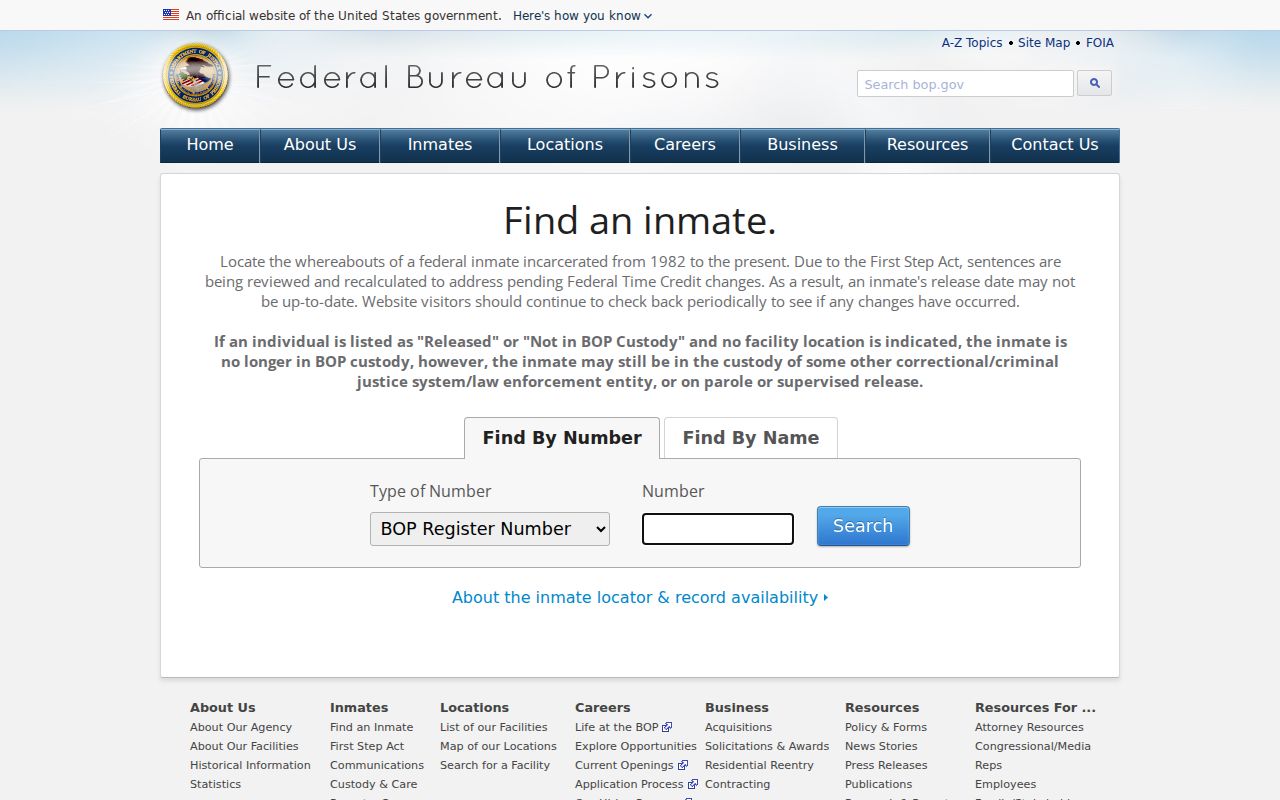
Use a specialized source only when its purpose fits the question. A custody or obituary result can supply a date or relationship, but it cannot prove that a person lived at the parcel for every year in the chain.
Pittsburg Previous Residents Trail Ends
A good previous residents file includes honest gaps. The complete Pittsburg reverse-directory run, exact Sanborn editions, recorder cutoff, and any street-renumbering year were not verified. Use a gap note to guide the next request instead of smoothing it over with a guess. A record that says “not located” is more useful than an invented date.
Previous residents research supports house history, genealogy, estate work, and reconnecting. It should stop at a sealed, confidential, or protected record. Verify important facts with the custodian, and do not use a parcel, obituary, voter, or court clue to stalk, harass, intimidate, or harm a living person.
Lawful personal use. Trace a Pittsburg address for history and legitimate records research. Do not turn a past-resident search into surveillance of another person.