
Pittsburg City Directory Years and Holdings
The verified Pittsburg directory shelf is smaller than a generic search result may suggest. The 1949 Polk's Pittsburg and Antioch City Directory is documented as held by the California State Library. Local evidence becomes broader when newspapers, tax books, court indexes, naturalization files, maps, and census material are treated as companion collections. The table separates verified coverage from gaps so a researcher does not mistake a single volume for a complete year run.
| Collection | Years | Where held | Access |
|---|---|---|---|
| Polk's Pittsburg and Antioch City Directory | 1949 verified | California State Library, Sacramento | Reference request or in person |
| Pittsburg Post | 1900-1930 history; segments from 1913 | Contra Costa Library and Antioch holdings | Online, film, or paper by title |
| Pittsburg Independent | 1928-1946; film through 1944 | Contra Costa Library | Microfilm or library research |
| Pittsburg Post-Dispatch | 1930 onward | Contra Costa Library | Holdings and film check required |
| Historical Society tax books | 1850-1910 | County History Center | Onsite or research request |
| History Center indexes | Naturalization 1850-2008; other indexed sets vary | Contra Costa County Historical Society | Searchable index and copies |
The access chain includes local library help, microfilm, paper issues, state-library reference service, History Center research, and online indexes. A missing digital scan is not a dead end. It is a cue to ask which physical or film format carries the same title.
The Verified 1949 Pittsburg Directory Volume
The 1949 Polk volume is the firmest local anchor in the Pittsburg directory research. It covers Pittsburg and Antioch in one title, which matters when a household moved across the shared newspaper and commercial corridor. The volume is cited in a city historic survey as held by the California State Library in Sacramento. A catalog page proving every related year was not located, so only 1949 should be described as verified.
A printed directory can offer a surname, given name, residence, occupation, spouse notation, and a key for abbreviations. It captures a snapshot, not a life story. Use the address to locate the parcel, then compare the line with a deed, a newspaper announcement, or the 1950 census. If the name is common, retain the initial, street, and neighboring household clues.
The Pittsburg Library location page supplies the current branch contact and hours information; current notices should be checked before visiting.
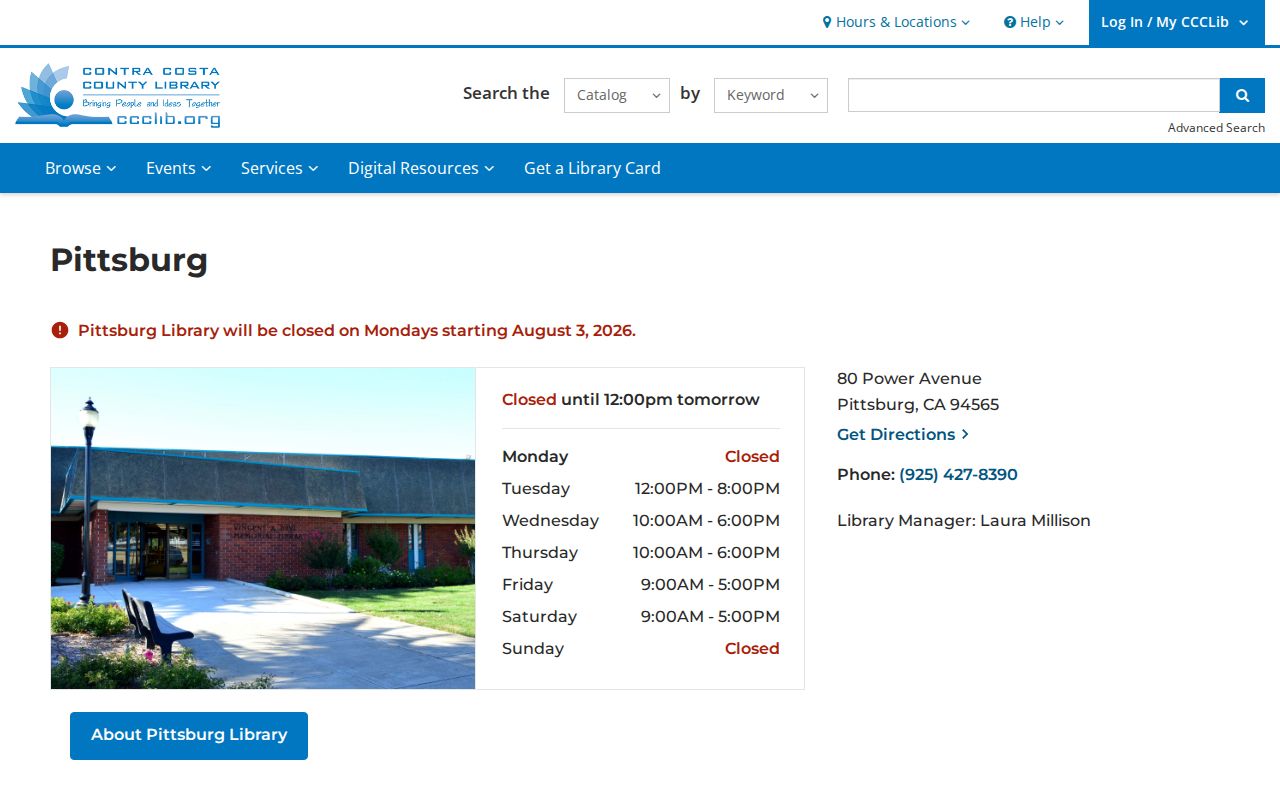
The library is a useful starting desk for newspapers and licensed research databases, while the State Library is the verified home of the 1949 directory citation.
Where the Pittsburg Directory Copy Lives
The California State Library reference route matters because local web searches did not surface a complete Pittsburg directory catalog. Ask for the 1949 Polk's Pittsburg and Antioch City Directory by its full title and year. A reference librarian can state whether the item is available for in-person use, whether a copy request is possible, and whether related Pittsburg or Antioch titles are cataloged nearby.
Do not fill the catalog gap with guessed publisher years. The research did not verify a full reverse-directory run, a phone-book run, or a digitized Pittsburg sample entry. Mark those as open questions in a family file and bridge them with the newspaper holdings and History Center collections instead.
Catalog tip. Search Pittsburg, Black Diamond, and New York Landing as place terms. Older records may use one of the earlier names rather than the modern city label.
The official Pittsburg history chronology explains why those names belong in a careful catalog search.
How a Pittsburg Directory Line Reads
A printed Pittsburg directory entry is best read as a small record with fields, not as a modern profile. Start with the surname and given name. Then identify the residence line, occupation mark, spouse or widow notation, and any abbreviation key. An address can point to an owner record, but the directory itself is the evidence that a named household was associated with that location in that issue.
No inspected Pittsburg sample entry was available in the research, so the inventory below describes the conventions to check rather than claiming that every field appears in the 1949 volume. Write down the page, issue, exact spelling, and nearby entries before comparing a later year.
| Entry detail | What to record |
|---|---|
| Name line | Family name, given name, initials, and spelling variants. |
| Residence | Street or address as printed, including any abbreviation. |
| Occupation | The printed work or trade description, if supplied. |
| Household mark | Spouse, widow notation, or related entry that needs interpretation. |
| Abbreviation key | The publisher's explanation of short forms and symbols. |
- Criss-cross directory
- A reverse volume arranged by address rather than surname.
- Householder index
- A name or address aid that points to the household entry for a period.
- Abbreviation key
- The publisher's reference for marks used in entries.
- Index versus image
- An index points to a name or page; the image is the page that carries the printed context.
Pittsburg Newspapers Bridge Directory Years
Newspapers provide the strongest local bridge when the Pittsburg directory run is incomplete. Search obituaries, wedding notices, clubs, relocations, legal notices, and address advertisements. The Pittsburg Post has a history from 1900 to 1930, with online or film segments from 1913. The Pittsburg Independent covers 1928 to 1946, with film through 1944. The Pittsburg Post-Dispatch begins in 1930, and the Daily Ledger Post Dispatch covers 1990 to 1994.
Holdings cross into Antioch. Much Pittsburg microfilm is preserved there, so a library request should name the newspaper title and issue date rather than only asking for a Pittsburg search. OCR can misread Italian surnames and old type. Check the page image, nearby notices, and a second issue before accepting a misspelled hit.
The Contra Costa Library newspaper inventory gives the title and format clues.
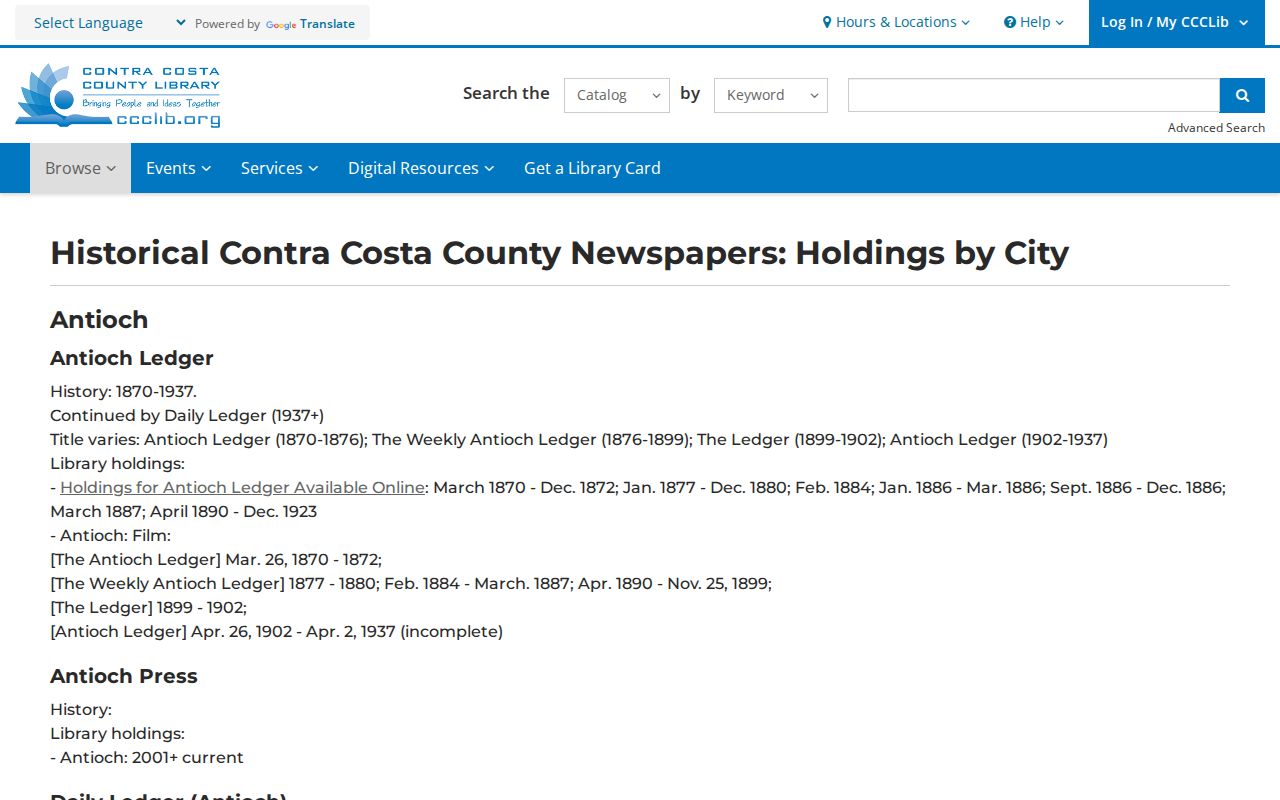
A newspaper notice can connect a person to a date and event, then guide a search into the directory or parcel record.
Pittsburg History Center Directory Clues
The Contra Costa County Historical Society supplies context that the printed volume alone cannot. Its collection includes yearly tax-assessor books from 1850 to 1910, historic court records from the 1850s into the mid-20th century, naturalization records from 1850 to 2008, county newspapers from the 1860s, more than 1,700 maps, obituary and biographical clippings, and photo-negative archives.
The online numbers are useful for choosing a path: more than 9,300 indexed cases name more than 61,000 people; the digital resources include more than 1,000 probate records, 13,000 naturalization records, 4,000 obituary records, and 1,700 map records. Pittsburg folders cover people, real estate, Camp Stoneman, fishermen, churches, schools, industry, and West Pittsburg.
Browse the Historical Society collection description and the digitized History Center resources before requesting a local-history search.
Physical folders, index searches, and copy requests are all part of the access chain. The best route depends on whether the goal is a person, parcel, event, or family relationship.
Digitized Pittsburg Directory Indexes
The digitized History Center resources include searchable probate, naturalization, obituary, and map indexes. They can supply a lead when the printed volume does not. A probate index may name an estate or heir. A naturalization index can supply a date and place. An obituary can connect family members. A map index can preserve the land context around a changing street label.
Search Pittsburg with Black Diamond and New York Landing. Add Antioch when a newspaper or directory title spans both communities. Compare index spelling with the image or requested copy. An index result is a pointer, not a certified finding, and a name match still needs a date, address, or relationship check.
The searchable History Center resource page is the best digital first step. When it returns a promising result, ask about the underlying file or image rather than copying the index line as the whole record.
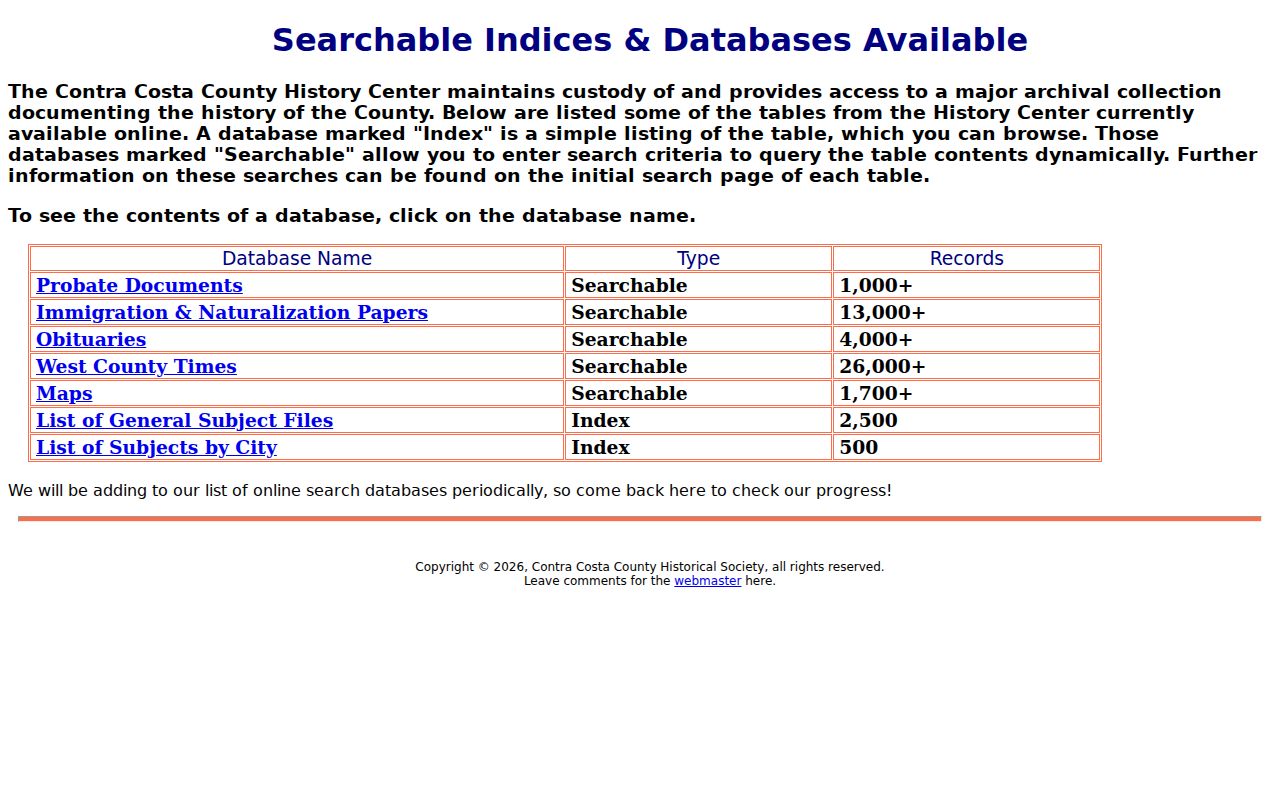
That distinction helps keep a historical directory search accurate when the source has gaps or an old place name.
Pittsburg Court Records and Probate Clues
Probate and court records can close a family-history gap left by a directory. The local Superior Court portal displays records of action for probate and other public case types, while documents, minutes, and some case materials require the clerk. The History Center preserves historic court records and indexed cases. Use a case number, party role, date, or relationship to distinguish an estate from a same-name civil matter.
Federal cases are indexed through PACER for the Northern District of California. PACER charges by page with a document cap, waives a quarterly balance of $30 or less, and offers free opinions and courthouse-terminal viewing. A federal case is not a substitute for the local directory shelf, but it may explain a move, business connection, or estate event when the record is public.
The PACER index is the federal route for a matching case number or party name.
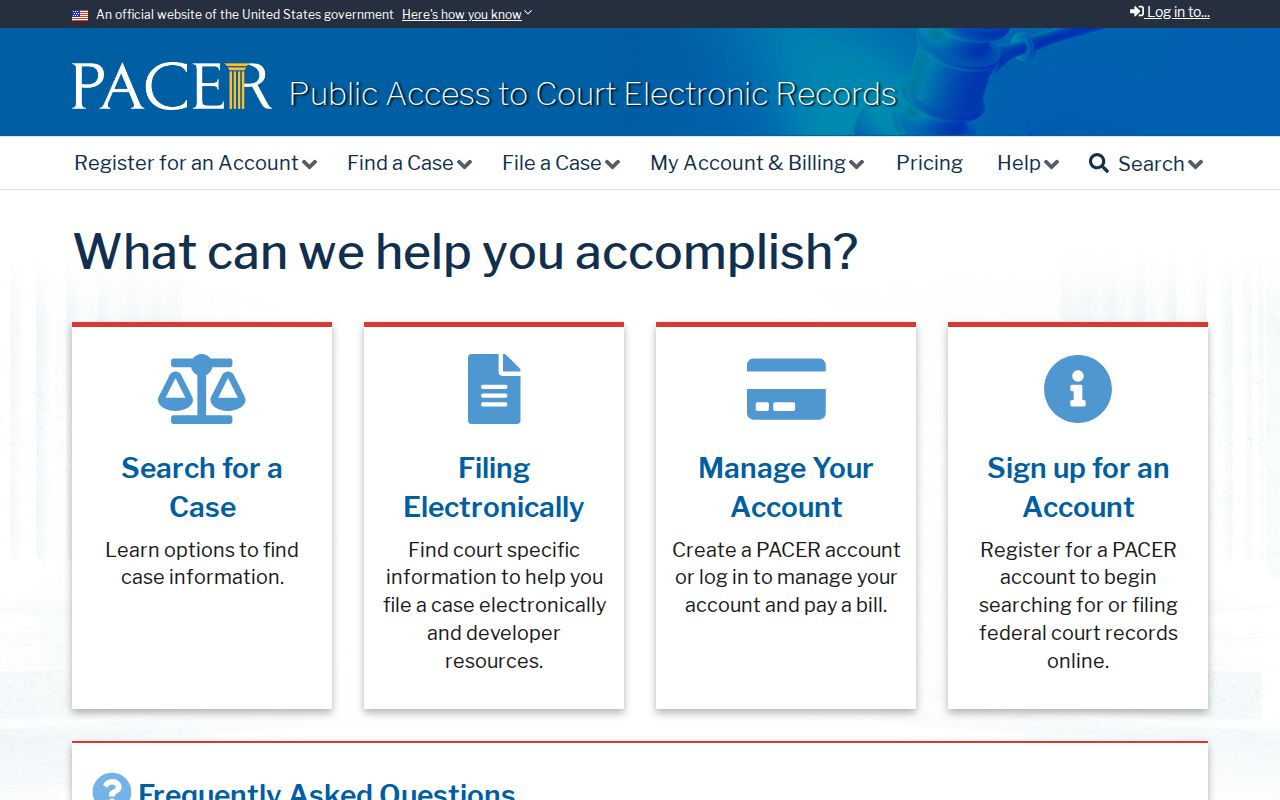
Keep court evidence in its own category. A filing can place a person in a legal event without proving a continuing address.
Pittsburg Camp Stoneman Directory Trail
Camp Stoneman is a local story that can make a directory search meaningful. More than one million soldiers passed through Pittsburg's camp before it closed on August 31, 1954. A family member may appear in local newspapers, photographs, military sources, or a History Center folder even when a printed entry is absent.
Build the connection with a date, unit, address, family relationship, or newspaper event. The same method works for fishermen, Italian community records, churches, schools, coal-field families, and postwar industry. Local color is useful only when it is tied to a source that names the person or household.
Tracing a Pittsburg Directory Household
A Pittsburg directory becomes more powerful when one entry is paired with a second year and a different record type. The 1949 Polk snapshot can be compared with the 1950 federal census, newspaper issues around the same address, a deed chain, and later permit history. The goal is not to fill every year with guesses. It is to mark what each source proves and where the trail changes.
- Copy the exact directory entry, page, address, spelling, occupation mark, and household notation.
- Search the same name and address in Pittsburg newspapers, adding Antioch, Black Diamond, and New York Landing as needed.
- Pair the 1949 entry with the 1950 census and note who appears in the household at the census date.
- Use the APN, assessment roll, and deed index to separate ownership changes from household changes.
- Use obituary, probate, cemetery, and History Center records to close a deceased person's trail without bypassing sealed records.
When the question shifts from a historical volume to a current identity, the Pittsburg resident lookup page supplies the modern verification path. For a present-day parcel chain, use the Pittsburg street-by-address records instead of rebuilding the historical shelf.
Research boundary. One verified directory year is valuable, but it is not evidence of a complete Pittsburg directory run.